
Katunayake (BIA)KandyNuwara Eliya+2 stops
Family Sri Lanka: hills, turtles and the south coast
From $430 / person
Things to do
Eggs incubated, hatchlings released at dusk
Works well with children.
Five species of sea turtle nest on Sri Lanka’s coast — green, olive ridley, hawksbill, loggerhead and leatherback — and all five are threatened. Eggs laid on an open beach are dug up by dogs, monitor lizards and people within hours, which is why hatcheries exist: eggs are bought or collected, reburied in a protected enclosure, and the hatchlings released.
The Kosgoda project, twenty minutes south of Bentota, has been running since 1988.
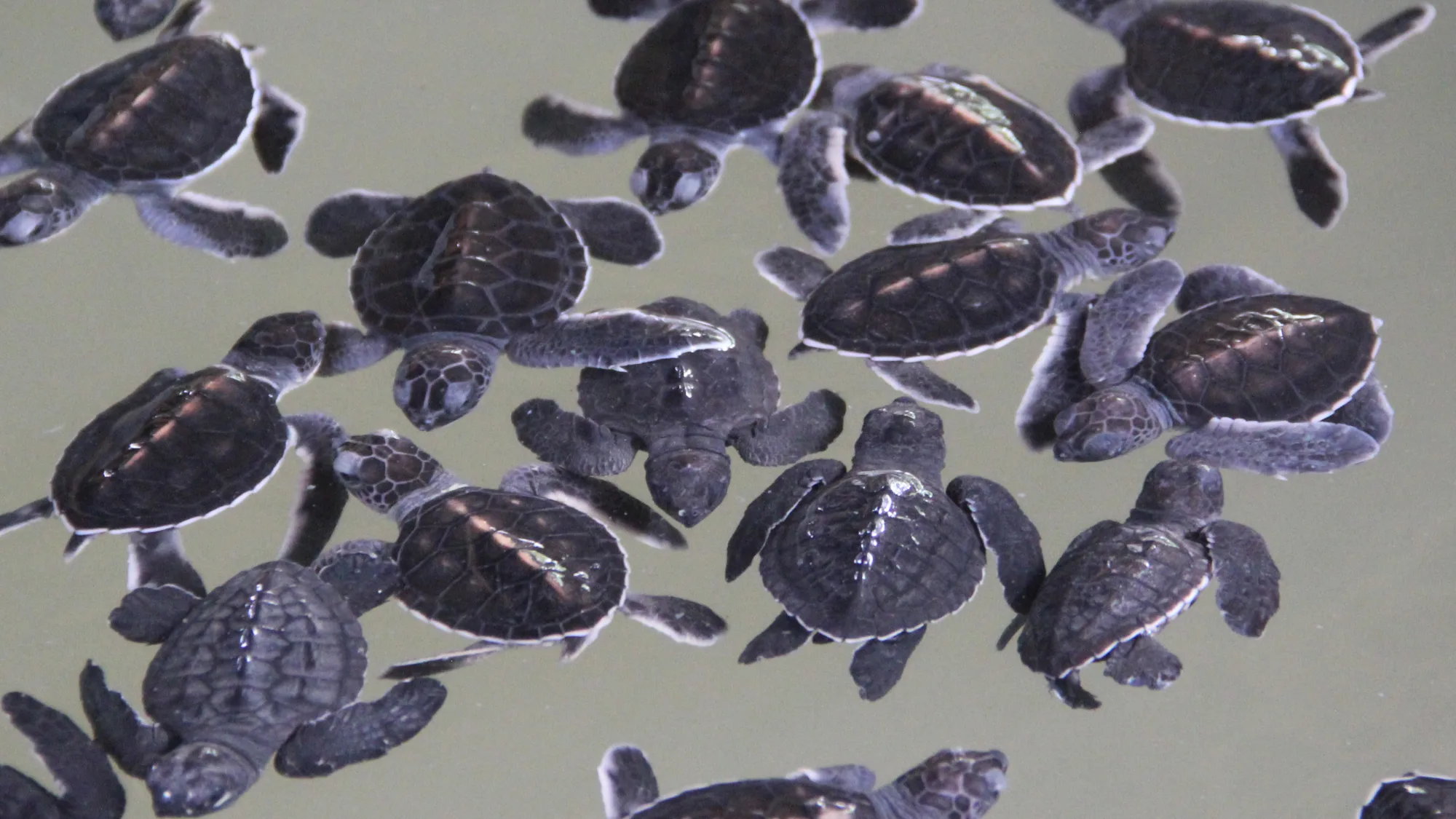
Daytime visits show you the hatchery enclosure, the tanks holding injured adults being rehabilitated, and hatchlings from that day’s or the previous night’s emergence. It takes half an hour and a guide explains the species and the threats.
The evening release is the part worth planning around. Around 6.30pm, once the sand has cooled and the birds have gone, that day’s hatchlings are carried down and released at the waterline. They make their own way in, which is important — the crawl down the beach is how they orient themselves.
This coast has several operations that keep adult turtles in small concrete tanks for years so visitors can lift them for photographs, and describe themselves as conservation projects.
The questions to ask are simple. How long are hatchlings held before release? The answer should be days, not weeks — a hatchling kept in a tank loses the yolk reserve it needs for the swim offshore. Are adults kept permanently? Only injured animals being rehabilitated should be. Can visitors handle the turtles? They should not.
Nesting happens year-round with peaks between November and April. There are hatchlings to release on most evenings.
20 min
Eggs reburied in protected sand, marked with the date and species. The whole operation in one square of beach.
15 min
Injured adults — usually boat strikes or net entanglement — being treated for release.
6.30pm
The day's hatchlings carried to the waterline once the sand has cooled and the birds have gone.
10 min
Released above the waterline so they crawl down. The crawl is how they orient themselves — carrying them in would harm them.
Around 6.30pm, once the sand has cooled and the predatory birds have gone. The hatchery itself is open from about 8.30am to 5.30pm, so a daytime visit and an evening return are two different experiences — the release is the one worth planning for.
Some are, some are not. A good project releases hatchlings within days, keeps only injured adults, and does not let visitors handle animals. Several places on this coast keep adult turtles in concrete tanks for photographs and call it conservation. Ask how long hatchlings are held before you pay.
At most hatcheries, yes, and the good ones will show you how: you place it on the sand above the waterline and let it crawl down. Carrying it into the water skips the crawl that lets it orient itself, so an operator who encourages that is not looking after the animal.
Year-round, with peaks between November and April on the south-west coast. There are usually hatchlings to release on any given evening, so this is not something you need to time a trip around.
Trips that include it
From $430 / person


From $305 / person
Start here
A few lines is enough — your dates, roughly what you want to spend, and what you actually care about seeing. And we will reply within one working day, and a quote costs you nothing.