Adventure
White water rafting at Kitulgala
Five kilometres of the Kelani, and five real rapids
Destination
The last kingdom, and the tooth relic
Government site fees change without much warning. We confirm the current rate when we quote your trip.
Kandy was the seat of the last independent Sinhalese kingdom, and it held out against the Portuguese and the Dutch before finally falling to the British in 1815. That history is the reason the city feels different from anywhere else on the island: it is a hill capital built around a lake and a temple rather than a port built around a harbour.
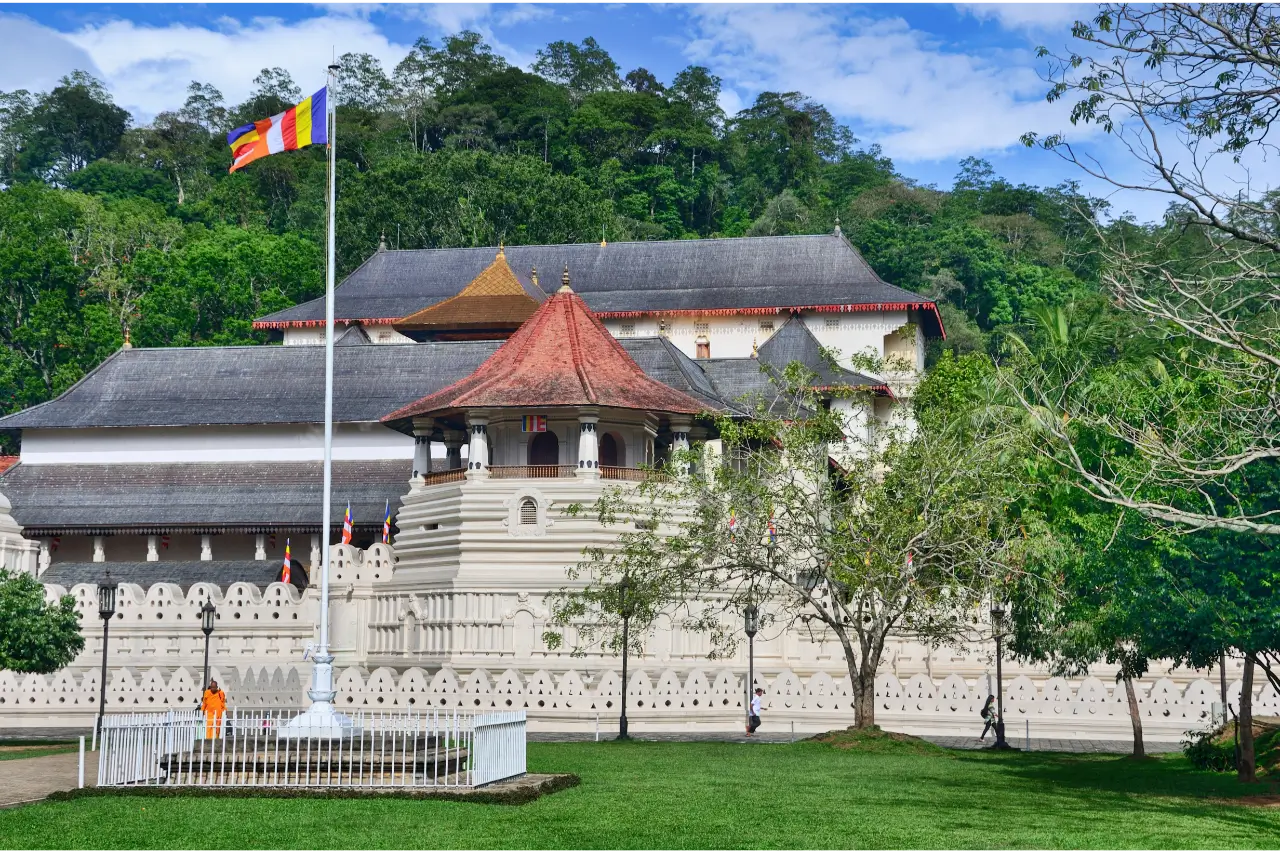
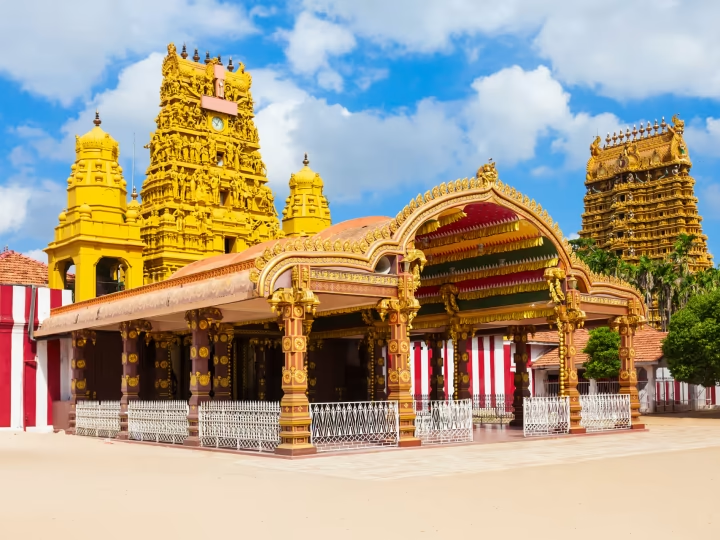
The temple is the point. Sri Dalada Maligawa, the Temple of the Sacred Tooth Relic, houses a tooth of the Buddha, and possession of it has been tied to the right to rule Sri Lanka for most of the last thousand years. It is a working shrine, not a monument, and it is busy with Sri Lankan pilgrims every day of the year.
The temple is open from 5.30am to 8pm. The casket holding the relic is only brought out during puja — the offering ceremonies at roughly 5.30am, 9.30am and 6.30pm. Outside those windows you can walk the complex, but you will not see the shrine room open. The evening puja is the one most visitors go to; the dawn one is quieter.
The dress code is enforced. Shoulders and knees covered, hats off, shoes off at the entrance. Sarongs are available to borrow at the gate but bringing your own clothing is simpler. There is a shoe deposit; the stone gets hot by midday.
The Royal Botanical Gardens at Peradeniya are six kilometres out of town and take a comfortable half day — 60 hectares that started as a royal pleasure garden and became a British colonial collection. The avenue of palms and the orchid house are the set pieces.
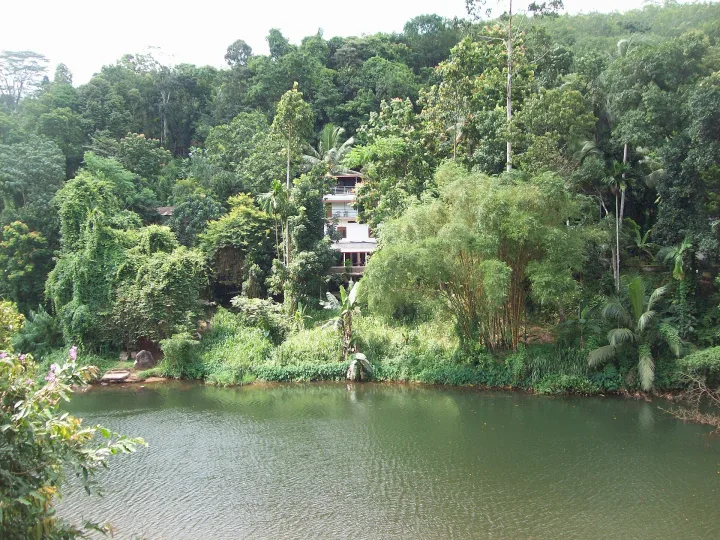
Kandy Lake, dug by the last king in 1807, is a 45-minute walk round and the easiest way to get a feel for the town. The Kandyan dance shows in the evening are unashamedly staged for visitors, but the drumming and the fire-walking are real skills and it is an enjoyable hour.
For ten nights in July or August, Kandy runs the Esala Perahera, a procession of caparisoned elephants, whip-crackers, torch-bearers and Kandyan dancers that ends with the relic casket carried through the streets. The dates move with the lunar calendar and are announced only a few months out. If you want to see it, book accommodation and street seating well ahead — the town fills completely.
Kandy is about three hours from Colombo by road and three and a half by train, and the train is the better journey. It sits in the middle of most itineraries: three hours south of Sigiriya, and the starting point for the hill country railway down to Nuwara Eliya and Ella.
One full day covers the temple and the lake. Two lets you add Peradeniya without moving at a march.
The shrine that holds a tooth of the Buddha, and with it the historical right to rule the island.
Sixty hectares of colonial-era planting, including an avenue of royal palms and a large orchid house.
Dug by the last king of Kandy in 1807 and still the centre of the town.
Drumming, acrobatics and fire-walking. Staged for visitors, but performed by people who trained for years.
Adventure
Five kilometres of the Kelani, and five real rapids
Scenic
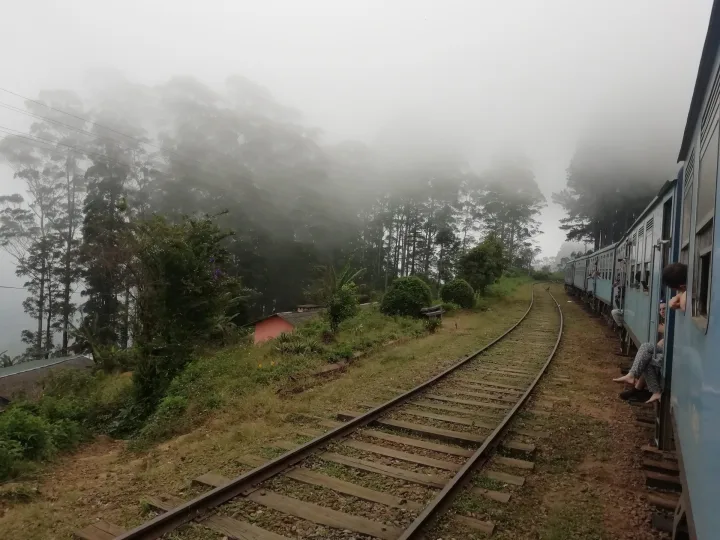
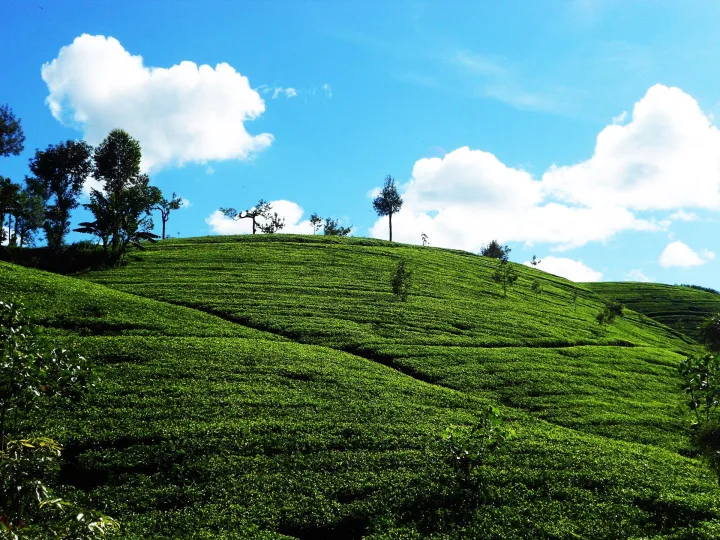
Six hours through tea, tunnels and cloud
Food and tea
Withering, rolling, oxidation, firing — in about 45 minutes
Food and tea
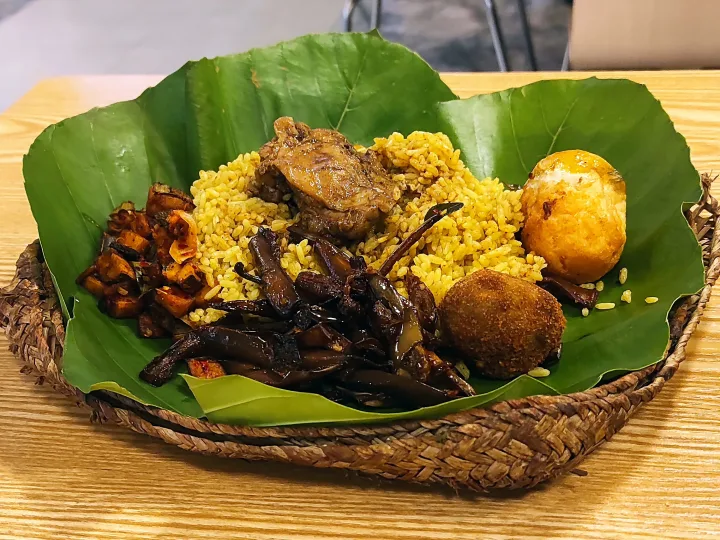
Rice and five curries, made from the market up
Shoulders and knees must be covered, hats removed, and shoes taken off before you enter. It is enforced at the door. Sarongs can be borrowed at the entrance if you arrive unprepared, but bringing a light long-sleeved top and long trousers or a skirt is easier.
Three times a day, at roughly 5.30am, 9.30am and 6.30pm. The casket containing the relic is only displayed during these ceremonies, so timing your visit to one of them is the difference between seeing the shrine room and walking past a closed door.
One full day covers the temple, the lake and the town. Two lets you add the botanical gardens at Peradeniya and an evening dance performance without rushing. Most itineraries give it a night or two on the way between the Cultural Triangle and the hill country.
For ten nights in July or August, set by the lunar calendar, so the dates change each year and are usually confirmed only a few months ahead. Accommodation and street seating sell out, so it needs planning around rather than dropping into.
Trips that go here

From $430 / person
From $305 / person
Start here
A few lines is enough — your dates, roughly what you want to spend, and what you actually care about seeing. And we will reply within one working day, and a quote costs you nothing.