
Katunayake (BIA)KandyNuwara Eliya+2 stops
Family Sri Lanka: hills, turtles and the south coast
From $430 / person
Things to do
Withering, rolling, oxidation, firing — in about 45 minutes
Works well with children.
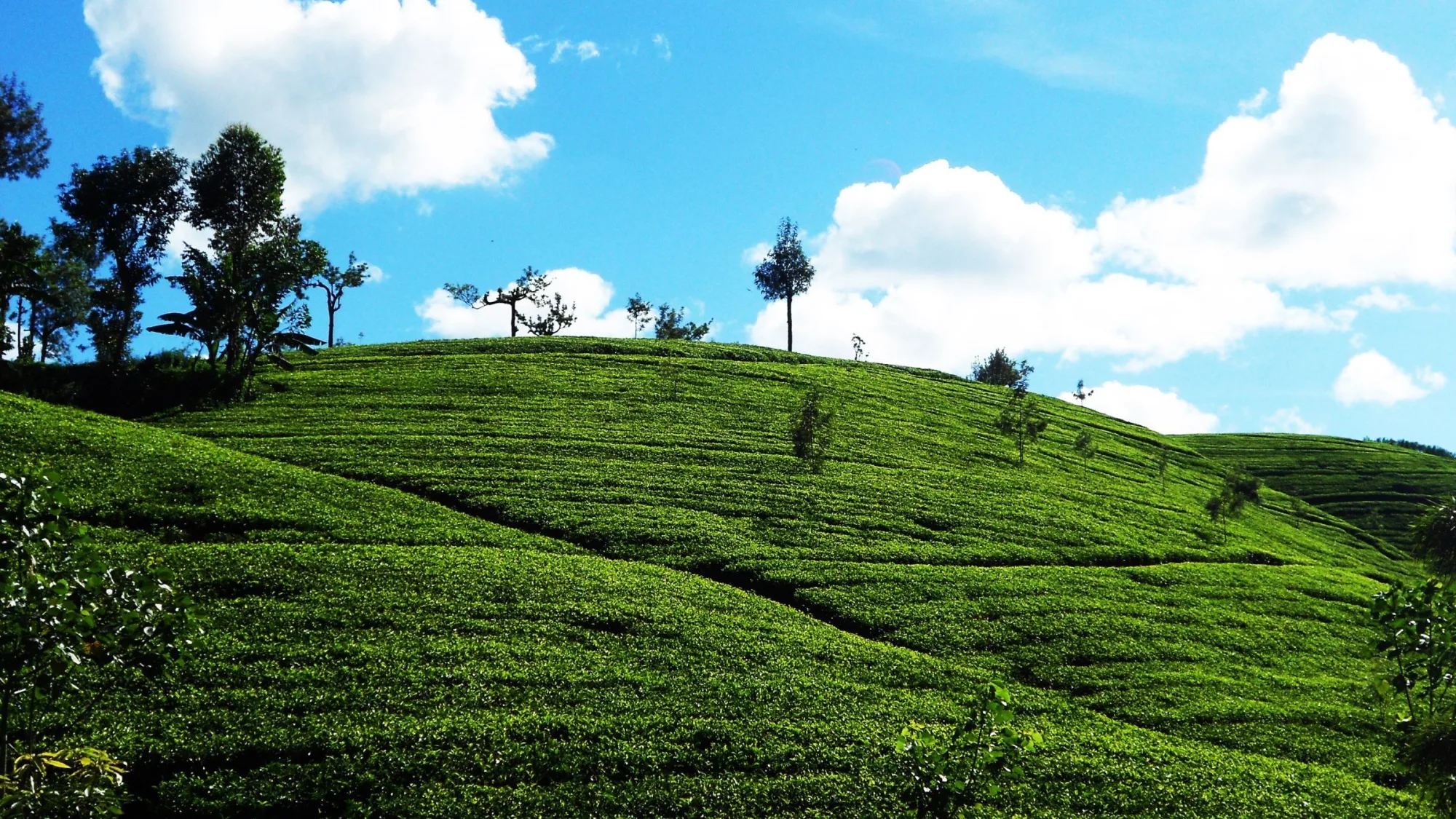
A tea factory tour takes about 45 minutes and is one of the more genuinely interesting hours available in the hill country, provided you go when the machinery is working.
Withering lofts on the top floor, where fresh leaf loses about half its moisture overnight in long troughs of moving air. Rolling machines that bruise and twist the leaf to release the enzymes. The oxidation beds, where the flavour is actually made — this is the stage usually mislabelled fermentation, and judging when to stop it is the skill the whole building turns on. Then firing, which arrests it with hot air, and the grading sieves that separate leaf from dust.
The smell of the withering loft is the part people remember.
Pedro Estate, just outside Nuwara Eliya, is a working factory and the closest to town. Damro Labookellie sits on the main road down from Kandy and is free, which is why every coach stops there — a good introduction, but a busy one. Mackwoods has the Hollywood-style sign on the hillside. Around Ella, several smaller estates run tours with far fewer people in them.
Ask for the manager rather than the standard visitor circuit if you want to understand the process. On most estates they are pleased to be asked.
The grade names — BOP, BOPF, Dust, OP — describe leaf size, not quality. Small grades brew fast and strong, which is why they end up in tea bags. Whole-leaf grades are subtler and slower. And altitude changes the drink entirely: low-grown Ruhuna tea is dark and malty, high-grown Nuwara Eliya above 1,200 metres is light and floral. Neither is better.
Top floor
Leaf in long troughs losing half its moisture overnight. The smell is the thing you remember.
30 min
Machines bruise and twist the leaf, breaking cell walls and releasing the enzymes.
The critical stage
Where the flavour is made. Often called fermentation, which it is not. Timing it is the whole skill.
Ground floor
Hot air stops the oxidation, then sieves separate the grades. Tasting at the end.
Pedro Estate near Nuwara Eliya is a working factory and the closest to town. Damro Labookellie on the Kandy road is free and consequently crowded. Around Ella, smaller estates run quieter tours. Whichever you pick, go in the morning when the floor is actually running.
About 45 minutes for the standard circuit, or up to two hours if you add a plantation walk and a proper tasting. It is easily combined with a drive between Kandy and Nuwara Eliya rather than needing its own slot.
Moderately. The machinery is loud and the process is genuinely interesting to watch, but there is a lot of standing and listening. Children usually enjoy the plucking demonstration in the field more than the factory floor.
Altitude. Low-grown tea from Ruhuna in the south is strong, dark and malty. High-grown from around Nuwara Eliya, above 1,200 metres, is lighter, brighter and more floral. Mid-grown from near Kandy sits between them. None is better than another; they are different drinks.
Trips that include it
From $430 / person

From $305 / person
Start here
A few lines is enough — your dates, roughly what you want to spend, and what you actually care about seeing. And we will reply within one working day, and a quote costs you nothing.