


Things to do
The Elephant Transit Home
Orphaned calves, raised to be released
The Elephant Transit Home at a glance
- How long
- One hour
- Usual start
- 10.30am, 2.30pm, 6.30pm
- Season
- All year
- Effort
- Easy
- Minimum age
- None
- From
- $5 per person
Works well with children.
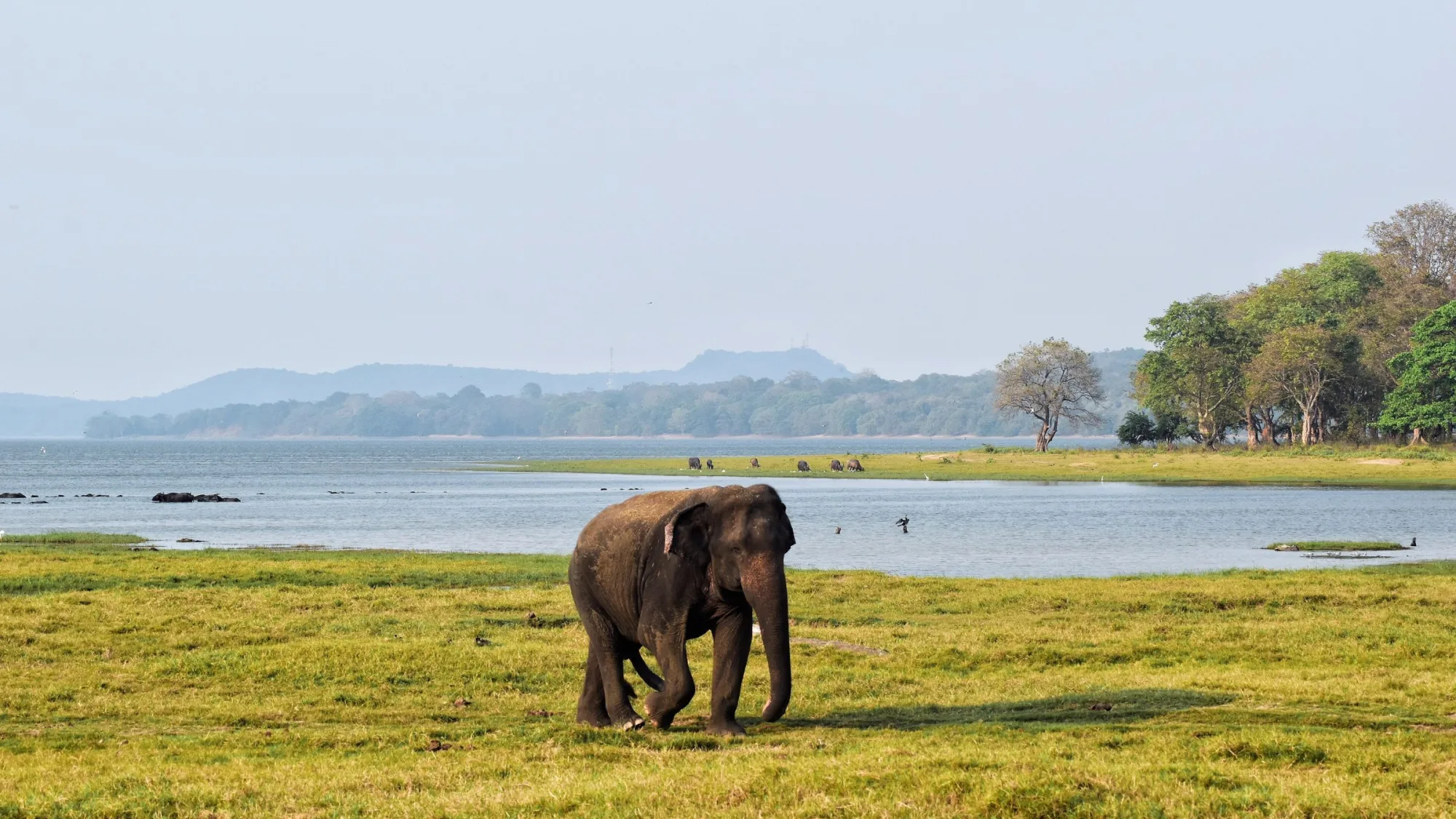
Next to Udawalawe National Park is a government facility, established in 1995, that raises orphaned elephant calves and releases them back into the wild. It is a genuinely different thing from the elephant orphanages that keep animals for life and sell rides, bathing and photographs.
What you see
Feeding happens three times a day, at 10.30am, 2.30pm and 6.30pm. You watch from a raised viewing platform behind a barrier as the calves come in from the surrounding scrub, led by keepers, and are fed milk through hoses.
It lasts about an hour including the walk in and out. There is no contact of any kind, and that is the point rather than a limitation.
Why the model matters
A calf raised for release has to stay wary of people. Every hour it spends being handled by visitors makes that less likely and makes it more likely to end up raiding a village and being shot. Facilities that let you touch, ride and bathe elephants are producing animals that cannot go back, and they generally do not tell you that.
Over 100 elephants raised here have been released into national parks. Some are radio-collared and tracked afterwards.
Practicalities
Entry is inexpensive, a few dollars. Arrive fifteen minutes before the feeding time — it starts punctually and the viewing platform fills. It is five minutes from the Udawalawe park entrance, so the usual arrangement is the 2.30pm feed followed by an afternoon safari, or a morning drive followed by the 10.30.
Take a zoom lens if you have one. The barrier is at a proper distance.
How the day runs
-
15 min before
Arrive early
Feeding starts punctually and the viewing platform fills up. Three times a day, every day.
-
10 min
The calves come in
Led from the surrounding scrub by keepers, in age groups.
-
30 min
Feeding
Milk through hoses, watched from behind a barrier. No contact, by design.
-
Immediately after
Back to the scrub
They return to open ground rather than an enclosure, which is the whole idea.
Questions we get asked about The Elephant Transit Home
10.30am, 2.30pm and 6.30pm, every day. Arrive about fifteen minutes early — it starts punctually and the viewing platform fills. The whole visit takes around an hour.
No, and that is deliberate. A calf being raised for release into the wild has to stay wary of people. Facilities that offer riding, bathing or photographs are producing animals that can never go back, which is the opposite of what this place exists to do.
Yes, particularly with children, and particularly as the alternative to an elephant orphanage. It is an hour, it costs a few dollars, and it sits five minutes from the Udawalawe park gate so it combines naturally with a safari.
Pinnawala keeps elephants permanently and allows close contact and bathing. The Transit Home raises orphans for release and keeps visitors behind a barrier. Both are legal and popular; only one produces wild elephants at the end of it.
Trips that include it
Where this fits
Start here
Tell us what you want from Sri Lanka.
A few lines is enough — your dates, roughly what you want to spend, and what you actually care about seeing. And we will reply within one working day, and a quote costs you nothing.
- Reply within one working day
- No deposit to get a quote
- Your details are never sold on