Katunayake (BIA)KandyNuwara Eliya+2 stops
Family Sri Lanka: hills, turtles and the south coast
From $430 / person
Things to do
Four hours offshore for the largest animal that has ever lived
Works well with children.
The continental shelf runs unusually close to shore off Mirissa — deep water is within a few nautical miles — which is why blue whales, the largest animals that have ever existed, can be found within an hour of the beach.
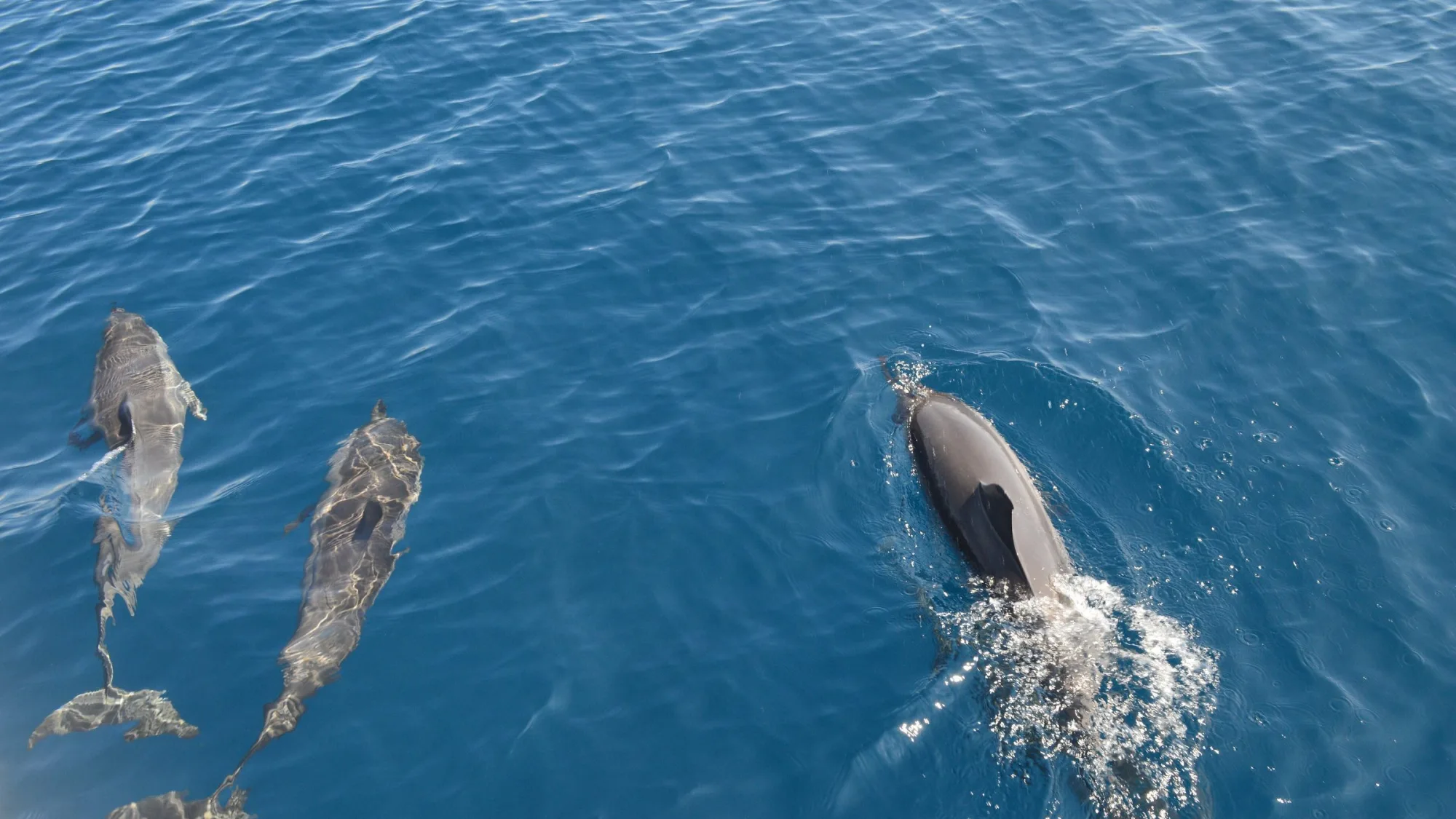
Blue whales are the headline and the most commonly sighted large whale here in season. Sperm whales, Bryde’s whales, fin whales and pods of spinner dolphins running into the hundreds are all regular. Sighting rates in the peak months are high but nobody can promise you anything: these are wild animals in open ocean, and an operator who guarantees a whale is not being straight with you.
November to April. February to April is the best of it — the wind drops and the sea settles, which matters far more than most people expect on a four-hour trip. Outside the season most operators stop running.
This is the part that matters. Sri Lanka’s whale watching is lightly regulated and boats crowding, cutting across and revving at animals is a real and documented problem.
A responsible operator keeps at least 100 metres off, approaches from the side rather than head-on, limits time with any one animal, and carries fewer people than the boat legally could. Ask before you book rather than on the jetty.
We will also tell you when the sea state means a trip is not worth taking, which costs us a booking and saves you a bad morning.
6.30am
Boats depart Mirissa fishing harbour at first light, when the sea is at its calmest.
60–90 min
The run out to deep water. This is the stretch where the swell is felt, and where the tablets earn their keep.
2–3 hours
Spotters watch for blows. Dolphins usually come first; blue whales are found by the height and shape of the spout.
10am–12pm
Most trips are alongside before lunch, which leaves the afternoon for the beach.
Around 6.30am from Mirissa harbour, returning between 10am and midday. The early start is about sea state rather than the whales — the water is calmest at first light and gets choppier through the morning.
No. Sighting rates in the peak months from February to April are high and most mornings produce something, but these are wild animals in open ocean. Some operators offer a discounted second trip if the first draws a blank, which is worth asking about.
From about six upwards, yes, provided they can cope with four hours on a boat. Younger children tend to be bored and seasick in roughly that order. Life jackets are provided; take sun cover, because there is very little shade.
Ask three things before you pay: what distance they keep, how they approach, and how many people they carry. A responsible boat stays 100 metres off, approaches from the side and does not overload. Crowding whales is a documented problem here and it is worth choosing on that rather than on price.
Trips that include it
From $430 / person
From $375 / person
Start here
A few lines is enough — your dates, roughly what you want to spend, and what you actually care about seeing. And we will reply within one working day, and a quote costs you nothing.