Wildlife
The Elephant Transit Home
Orphaned calves, raised to be released
Destination
Elephants, reliably, without the Yala queue
Government site fees change without much warning. We confirm the current rate when we quote your trip.
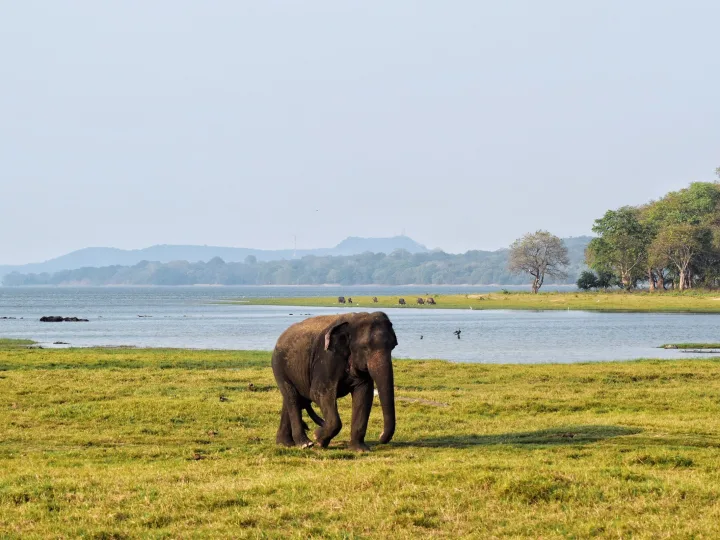
If you want to see wild elephants in Sri Lanka and you would rather not spend the morning behind forty other jeeps, Udawalawe is the answer. Around 600 elephants live in roughly 300 square kilometres of open grassland and scrub around a reservoir, and the terrain means you see them — this is not dense forest where an animal is a shape between trees.
What you will not see is a leopard. There are a handful, and essentially nobody sees them. Udawalawe is an elephant park and it is honest about that, which is why it works: you go for one thing and you get it.
Half-day drives leave at 6am or around 2.30pm. Jeep hire runs roughly LKR 4,500 to 5,500 per vehicle and park entry is around USD 25 per adult before taxes, so a shared half day usually lands between USD 40 and 100 per person depending on the group and the operator.
Alongside elephants, expect water buffalo, spotted deer, crocodile, jackal, and genuinely good birding — this is one of the better raptor sites on the island.
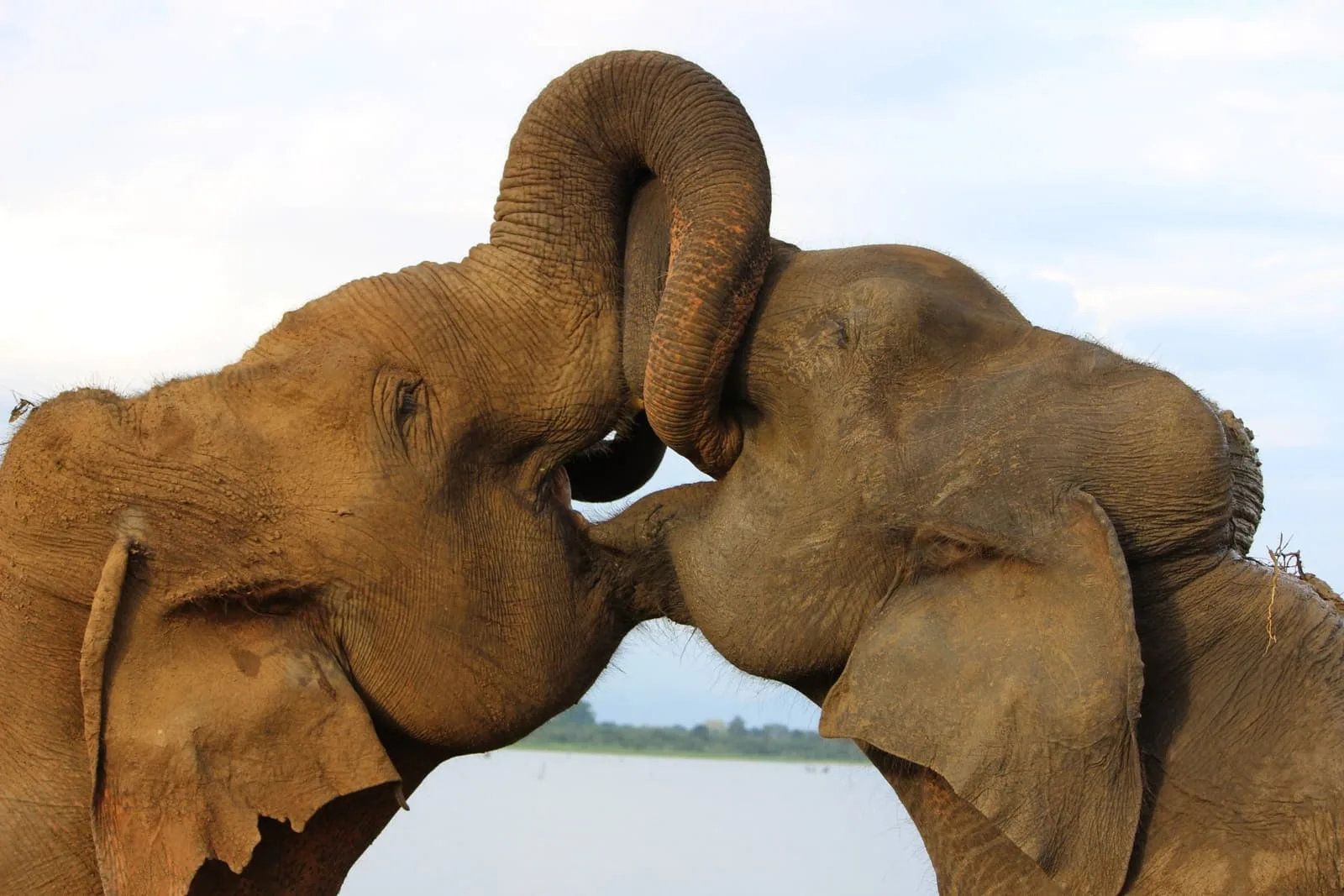
Next to the park is a government facility that raises orphaned calves and releases them back into the wild, which is a meaningfully different model from the elephant orphanages that keep animals for life and offer rides and bathing.
You watch feeding from behind a barrier at 10.30am, 2.30pm and 6.30pm. There is no touching, no riding and no photographs with the animals, and that is the point. If someone offers you an elephant experience that involves sitting on one, that is not this place and we will not book it for you.
December to March is the dry season and the best window — the grass is low and animals concentrate near water. That said, Udawalawe is reliable year-round in a way most parks are not, because the elephant population is resident rather than migratory.
Four hours from Colombo, two and a half from Ella, and about two from the south coast beaches — which makes it a natural stop coming down from the hill country toward Mirissa or Tangalle. One night and one drive is usually enough.
Around 600 resident animals in terrain where you actually see them, rather than glimpse them through trees.
Orphaned calves raised for release. Watched from behind a barrier — no riding, no bathing, no photographs with the animals.
Grey-headed fish eagles, serpent eagles and changeable hawk-eagles. One of the best bird sites in the south.
Where the herds come to drink, and the reason an afternoon drive is often better than a morning one here.
Udawalawe for elephants, Yala for leopards. Udawalawe has around 600 elephants in open country and a fraction of the jeep traffic; Yala has the highest leopard density on earth and, on a bad morning, 200 vehicles. If your trip has room for one safari and you want a near-certain sighting of something large, Udawalawe is the safer bet.
Park entry is around USD 25 per adult before taxes, and jeep hire is roughly LKR 4,500 to 5,500 per vehicle for a half day. Shared, most people pay between USD 40 and 100 per person depending on group size and operator.
Realistically, no. A handful exist and almost nobody sees them. Udawalawe is an elephant park, and treating it as one is why people leave happy. For leopards, go to Yala or Wilpattu.
It is a government rehabilitation facility that raises orphaned calves and releases them back to the wild, and visitors watch feeding from behind a barrier — no contact, no riding, no bathing. That is a genuinely different model from the orphanages that keep animals permanently and sell interactions. We book this one and not those.
Start here
A few lines is enough — your dates, roughly what you want to spend, and what you actually care about seeing. And we will reply within one working day, and a quote costs you nothing.